

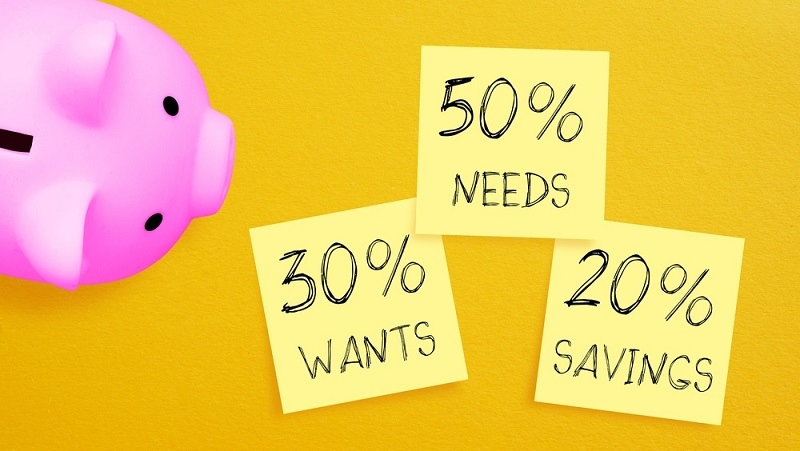
Managing money does not have to be hard. If you have ever felt really confused about budgeting, the 50/30/20 rule is a way to do it. This money management idea helps you split your money into groups so it is easy to save, spend, and have money.
Whether you are just starting to think about money or want to do something with it, the 50/30/20 rule is a good way to manage it. The 50/30/20 rule is based on money ideas. Let us look at the 50/30/20 rule step by step so you can start using it and master budget planning today.
The 50/30/20 rule is a budgeting strategy. You divide what you earn after taxes into three parts:
This method helps you balance your spending. You make sure you have enough for essentials; enjoy your life and save for the future.
The 50/30/20 rule is popular because it is easy to use. You do not need to track every expense.
These are the things you really need to pay for. You have to have them to get by every day. These must-have expenses are what you need to survive and function daily.
This part is about the things you need to live. You have to pay for them, no matter what. Examples include:
You need these things to get by. The important things you need to live are things like rent or mortgage, utilities, groceries, insurance, and transportation. But if you plan your budget effectively, then you can even save on groceries.
This category is for the things you spend money on that are not really necessary. They make your life better.
Examples include:
These things are not things you have to have to live. They are things that make life fun. The important thing is to make sure these expenses do not exceed 30% of your money.
This category is super important for your term "financial health." It includes:
You should follow this rule to build security and manage your debt and other obligations. Building security is key, and savings and investments help you do that.
The fifty-thirty-twenty rule works well because it makes decision-making easier. You do not have to track every expense. Instead, you focus on areas like needs, wants, and savings. This way of managing money also helps you stay disciplined without being too strict.
You can still enjoy some things while keeping your finances stable. The fifty-thirty-twenty rule is really helpful for people new to managing their money who want a simple plan to follow. It gives them a way to handle their cash.
To get the results from this method, here are some income allocation tips you should follow:
Making these changes can really make a big difference in how well you do with money.
A real-life guide to monthly budgeting hacks to make use of your dollar wisely. Let’s assume you take home $3,000 every month.
Here is how this guideline works:
This division helps you organize your money.
While the rule is easy to understand, people often get it wrong:
By not making these mistakes, you can stay on track. Keep your finances balanced.
The fifty-thirty-twenty rule is not set in stone; you can adjust it to fit your needs.
For example:
The main thing is to use this rule as a guide, not a fast rule.
This way of managing money has advantages. It is simple and easy to follow. This method helps you spend money in a way.
You will save money consistently. It also helps reduce financial stress. This approach helps you be more disciplined with your money over time. These benefits make the 50/30/20 budgeting method very popular.
The 50/30/20 rule is really helpful for building a foundation in personal finance.
The 50/30/20 rule helps you save for goals. If you keep doing these things, the 50/30/20 rule will help you build a financial foundation and improve your overall financial well-being over time.
The 50/30/20 rule helps you manage your money. You split your income into three categories. This helps you keep things balanced and reduces stress. It also helps you feel more secure about your finances.
To make the most of this rule, you need to understand it. Then you can use tips to allocate your income. A consistent strategy for managing your money is also important. At 411Atkins, we think mastering personal finance isn't complicated. You just need to be clear about what you're doing and stick to it. The 50/30/20 rule is a starting point.
The rule is fine for people. It might need some changes. This is because people have different incomes and live in different places, and want different things with their money. So the rule is like a guide. It is not a fast rule that everyone has to follow. People can use it. Adjust it to fit their financial situation, income, location, and financial goals. The rule is a guideline for people and their financial goals.
If your necessary expenses exceed half, try to cut costs or earn more. You can also adjust the percentages over time as you refine your budget. The aim is to match the fifty-thirty-twenty rule. Focus on expenses and aim to balance your budget over time with essential expenses.
So the 20 percent is the least you should save. If you make a lot of money, you can save more than that. Saving money will help you get what you want sooner. You will also have an emergency fund, which will make you safer with your money in the long run. The savings rate is important for your goals, your emergency fund, and your long-term financial stability.
This content was created by AI